
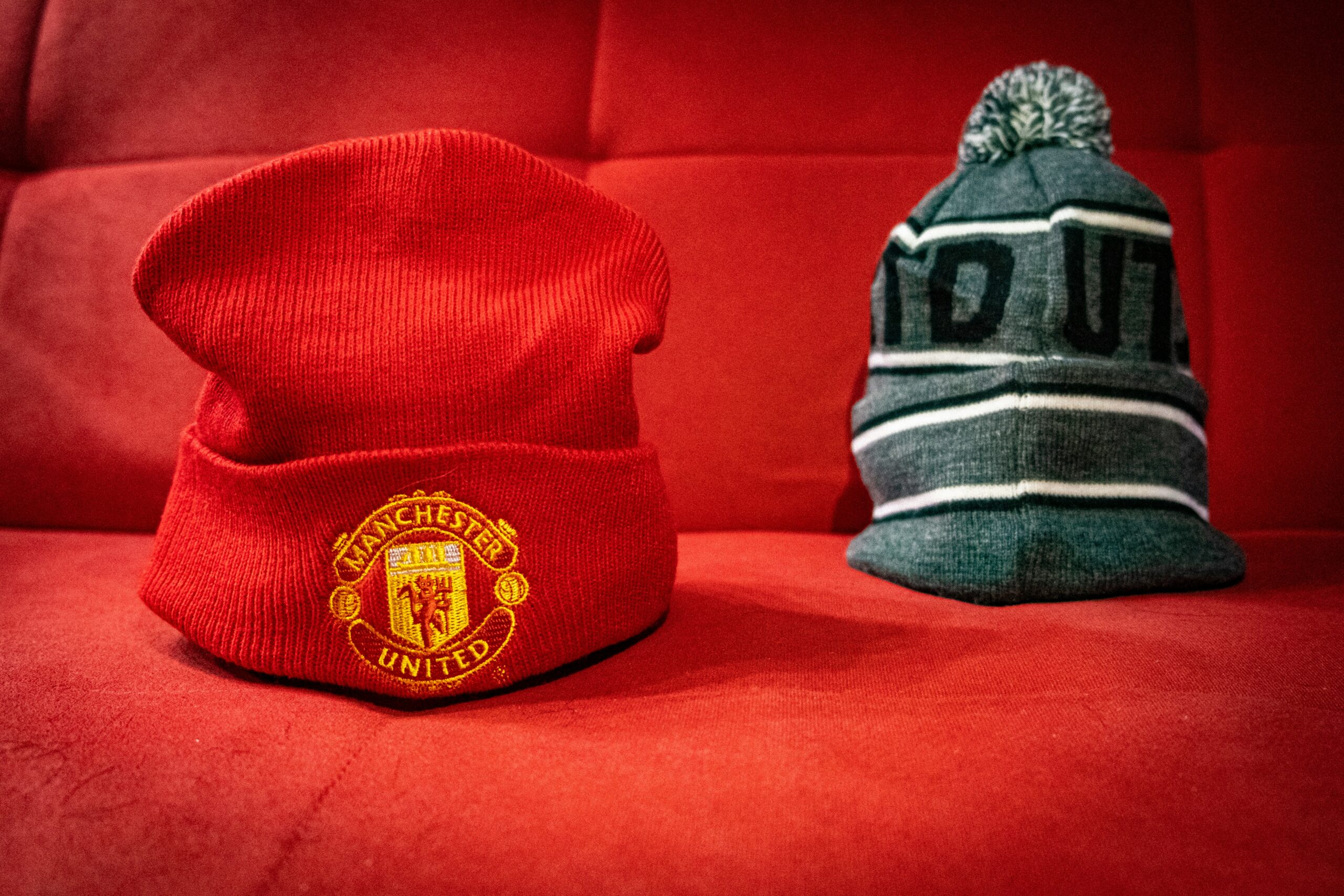
Merchandising
Written by Jamie May
Merchandising: The Oldest Trick in the Book that Still Works
Written by Jamie May
One of the greatest business negotiations in history was George Lucas retaining the merchandising rights to Star Wars. The studio thought he was mad — who cares about toys and t-shirts? Turns out, billions of people. The merchandising didn’t just make Lucas rich, it kept Star Wars in front of kids every single day and built a cultural phenomenon that’s still running fifty years later.
Most small businesses think merchandising is beneath them. It isn’t.
What Merchandising Actually Is
Putting your logo on something. That’s it. A pen, a mug, a fridge magnet, a tote bag. The goal is simple — keep your brand in front of people on a regular basis without having to be there yourself.
I was once in a sales pitch and halfway through realised the pen I’d been using the whole meeting was branded with the company I was selling to. That pen had been doing quiet work on me for weeks without me noticing. That’s merchandising doing its job.
I asked a veteran plumbing marketer what his single best sales tactic was. No hesitation: fridge magnets. Every time someone walks into the kitchen, there’s his number. Plumbing is an emergency purchase — you don’t shop around when water is coming through the ceiling. You call whoever is closest to hand.
The Fruit Shop Rule
My first retail manager put it this way: walk into a fruit shop with two sad apples sitting on an empty shelf and you walk straight back out. Walk into one with an overflowing pile of mangoes, strawberries and cherries and you fill your boots. Volume and presentation signal quality before a word is spoken.
Merchandising works on the same principle. One branded item is forgettable. Consistent, useful branded items seen repeatedly build familiarity — and familiarity builds trust.
The Kebab Rule
In my experience there are only two types of merchandising, like kebabs — really good or really bad, with almost nothing in between. A useful, well-made item keeps your brand looking sharp every time it’s used. A cheap piece of junk that breaks or gets binned on day one tells people exactly what you think of them.
A Few Practical Notes
Many government departments and larger corporates have policies preventing staff from accepting gifts above a certain value — often not much more than a coffee. Keep that in mind when targeting those markets and stick to the practical end of the spectrum.
Also worth knowing: once you put your logo on clothing, vehicles, or promotional items, they often become tax deductible. Talk to your accountant, but it’s a legitimate reason to stop sitting on the fence about it.
The Takeaway
Pick one useful, everyday item and get your logo on it. Not something flashy that sits in a drawer — something that gets used. Pens, magnets, mugs, notepads. Order enough to hand out consistently, not just at one event. Merchandising only works at scale and over time.
Cheap and useful beats expensive and forgotten every time.


